
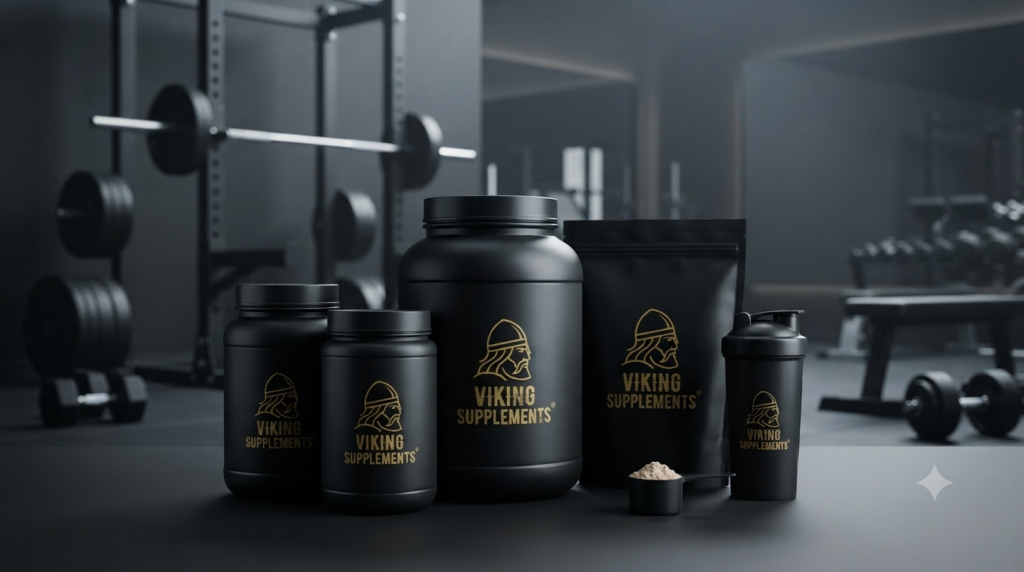
Choosing your first protein powder can feel overwhelming. There are countless products, flavours, and formulas available, making it difficult to know where to start. One of the first decisions you’ll likely face is whether to choose a whey protein or a plant protein.
The good news is that there isn’t a single “best” option. Both whey and plant-based protein powders can fit into a balanced diet, and the right choice depends on your dietary preferences, lifestyle, and how you plan to use the product.
In this guide, we’ll explain the main differences between whey and plant protein, when each may be suitable, and what to look for before making your first purchase.
Why Do People Use Protein Powder?
Protein is one of the three macronutrients found in food. It provides amino acids that the body uses in many normal physiological processes.
Many people choose protein powder simply because it is a convenient way to increase their protein intake, especially when preparing a meal is not practical.
Common situations where protein powder may be used include:
- After a workout
- As part of breakfast
- Between meals
- During busy workdays
- While travelling
- In smoothies or baking recipes
Protein powder is intended to complement a varied and balanced diet rather than replace whole foods.
What Is Whey Protein?
Whey protein is made from milk during the cheese-making process. It naturally contains all nine essential amino acids, making it a complete protein source.
Whey protein is available in several forms, including concentrate, isolate, and hydrolysed whey. For many beginners, whey concentrate is often the most straightforward place to start.
If you’re looking for a classic whey protein for everyday use, we offer several options depending on your preferences. The <a href="%e2%80%9dhttps%3a//vikingsupplements.eu/produkt/ostrovit-100-whey-protein-french-vanilla-700-g/%e2%80%9d">OstroVit 100% Whey Protein French Vanilla</a> is a convenient choice for those who want a smaller package, while the <a href="%e2%80%9dhttps%3a//vikingsupplements.eu/produkt/ostrovit-100-whey-protein-banana-cake-2000-g/%e2%80%9d">OstroVit 100% Whey Protein Banana Cake</a> provides more servings in a larger format. If you enjoy richer dessert-inspired flavours, you may also consider <a href="%e2%80%9dhttps%3a//vikingsupplements.eu/produkt/dorian-yates-shadowhey-concentrate-coconut-cream-2000g/%e2%80%9d">Dorian Yates Shadowhey Concentrate Coconut Cream</a>.
What Is Plant Protein?
Plant protein powders are produced from plant-based ingredients such as peas, rice, soy, hemp, pumpkin seeds, or blends of several plant proteins.
Some products contain only one protein source, while others combine multiple ingredients to provide a varied amino acid profile.
Plant protein powders are commonly chosen by:
- Vegans
- Vegetarians
- People who avoid dairy
- Those who simply prefer plant-based ingredients
For example, <a href="%e2%80%9dhttps%3a//vikingsupplements.eu/produkt/vegetable-protein-raw-veggie-and-greens-chocolate-2000g/%e2%80%9d">Vegetable Protein Raw Veggie and Greens Chocolate</a> combines plant protein with additional plant ingredients, while <a href="%e2%80%9dhttps%3a//vikingsupplements.eu/produkt/now-foods-pea-protein-unflavored-3175g/%e2%80%9d">NOW Foods Pea Protein Unflavored</a> contains only pea protein, making it suitable for shakes, smoothies, or recipes where you want complete control over the flavour.
What About Vegan Meal Shakes?
If you’re exploring plant-based nutrition, you may also come across vegan meal shakes.
Unlike a traditional protein powder, a meal shake is generally designed to provide a broader nutritional profile and may include carbohydrates, fats, fibre, vitamins, and minerals in addition to protein.
For people looking for a convenient meal option rather than simply increasing protein intake, the <a href="%e2%80%9dhttps%3a//vikingsupplements.eu/produkt/vegan-meal-shake-cappuccino-1000g/%e2%80%9d">Vegan Meal Shake Cappuccino</a> offers a plant-based alternative designed for that purpose.
Whey vs Plant Protein: What’s the Difference?
Although both products provide protein, there are some practical differences worth understanding.
Source
Whey protein is derived from milk.
Plant protein is made from plant ingredients such as peas, rice, soy, or other vegetables and legumes.
Suitable Diets
Whey protein is suitable for people who consume dairy products.
Plant protein is suitable for vegan and vegetarian diets and for those who avoid dairy.
Flavour and Texture
This often comes down to personal preference.
Many whey proteins have a smooth texture and are available in a wide range of flavours.
Plant proteins can vary depending on their ingredients. Some have a slightly thicker consistency or a more earthy flavour, while others are formulated to be smooth and easy to mix.
Składniki
Protein powders differ considerably between brands.
Some contain only protein, while others include flavourings, sweeteners, digestive enzymes, or additional ingredients.
Always read the ingredient list before choosing a product.
Which Protein Powder Is Best for Beginners?
There isn’t one answer that suits everyone.
Ask yourself a few simple questions.
Do You Consume Dairy?
If you regularly consume milk and other dairy products, whey protein may be a practical option.
If you avoid dairy, plant protein is likely to be the better choice.
What Will You Use It For?
Some people only want an easy shake after training.
Others prefer adding protein powder to porridge, yoghurt, pancakes, or smoothies.
If you enjoy cooking, an unflavoured protein powder such as pea protein may offer greater flexibility in recipes.
Do You Prefer Flavoured or Unflavoured Protein?
Flavoured protein powders are convenient if you mainly prepare shakes.
Unflavoured protein powders allow you to control the taste when mixing with fruit, oats, or other ingredients.
How Can You Use Protein Powder?
Protein powder can be incorporated into many everyday meals.
Popular ideas include:
- Mixed with water
- Mixed with milk or a plant-based drink
- Added to smoothies
- Stirred into porridge
- Mixed into yoghurt
- Used in pancakes
- Included in baking recipes
Always prepare the product according to the manufacturer’s instructions.
Should Beginners Choose Whey or Plant Protein?
Both options can fit well into different lifestyles.
You may prefer whey protein if you:
- Consume dairy
- Enjoy milk-based protein shakes
- Want a wide choice of flavours
You may prefer plant protein if you:
- Follow a vegan or vegetarian diet
- Avoid dairy products
- Prefer plant-based ingredients
Rather than focusing on which type is “better,” it’s usually more helpful to choose the option that matches your dietary preferences and daily routine.
What Should You Look for Before Buying?
Before choosing your first protein powder, compare more than just the flavour.
Consider:
- The protein source
- Protein per serving
- Serving size
- Number of servings
- Składniki
- Flavour options
- Whether the product is flavoured or unflavoured
- Package size
These practical factors often make a bigger difference than marketing claims.
Final Thoughts
Your first protein powder doesn’t have to be complicated.
If you consume dairy, whey protein offers a familiar and widely available option.
If you follow a plant-based lifestyle or avoid dairy, there are many plant protein products to choose from.
By understanding the differences between whey and plant protein, you can select a product that fits your preferences, eating habits, and daily routine.
Ultimately, the best protein powder is the one that suits your lifestyle and that you enjoy using consistently as part of a varied and balanced diet.
FAQ
Is whey protein suitable for beginners?
Yes. Whey protein is one of the most commonly chosen protein powders and is often selected by people buying protein powder for the first time.
Can vegans use protein powder?
Yes. Many protein powders are made entirely from plant-based ingredients, including pea protein and blended vegetable proteins.
Is plant protein only for vegans?
No. While plant protein is suitable for vegan diets, many people choose it simply because they prefer plant-based ingredients or avoid dairy.
Can I use protein powder every day?
Many people include protein powder in their daily routine. It is intended to complement a varied and balanced diet rather than replace whole foods.
Can I cook or bake with protein powder?
Yes. Many protein powders can be added to smoothies, oats, pancakes, yoghurt, and baking recipes. Always follow the preparation instructions provided with the product.
 English
  Swedish
  Danish
  Dutch
Dutch  Spanish
  Italian
  Hungarian
  German
  Polish
  French
  Finnish
  Czech
Czech  Slovenian
  Lithuanian
  Slovak
  Romanian
  Estonian
  Portuguese